SIMULATION-LED GLASS ENGINEERING
From bottle concept to first production, backed by science instead of trial and error.
HOP ON. HOP OFF.
Join at any stage. We are not consultants: real, practical know-how in container glass production and filling lines, and we love a concept design challenge.
Bottle design that is producible on an IS machine.
02Glass distribution designed and simulated before the mould is cut.
03Mould and equipment design, with FEA behind it.
04VertiFlow and InvertiFlow, compared on your bottle.
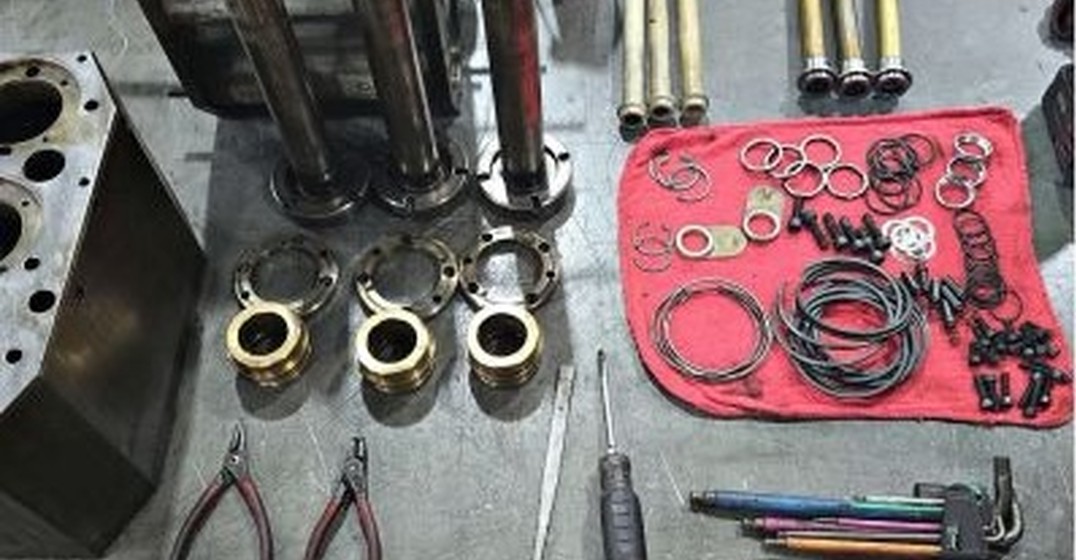
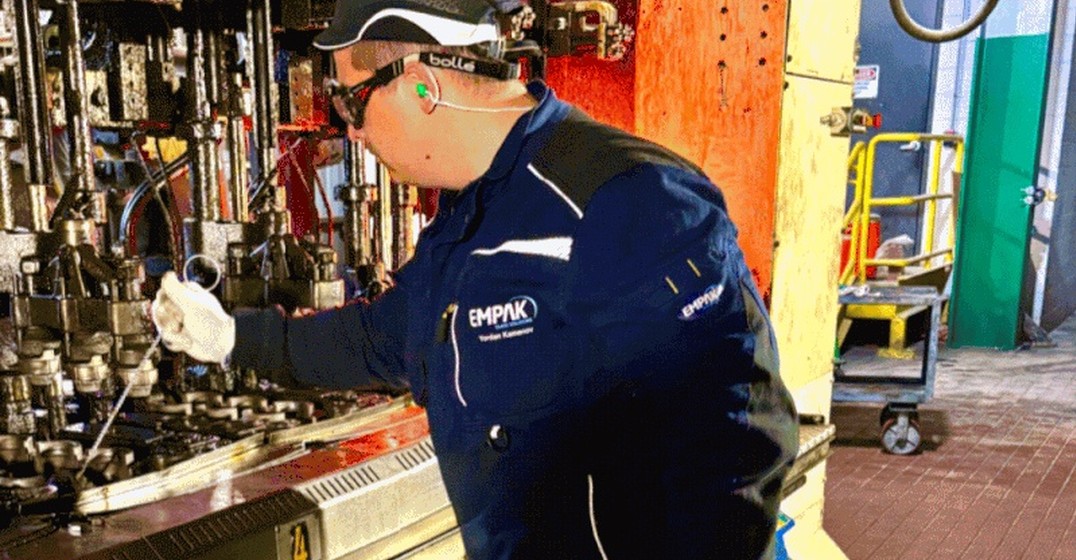
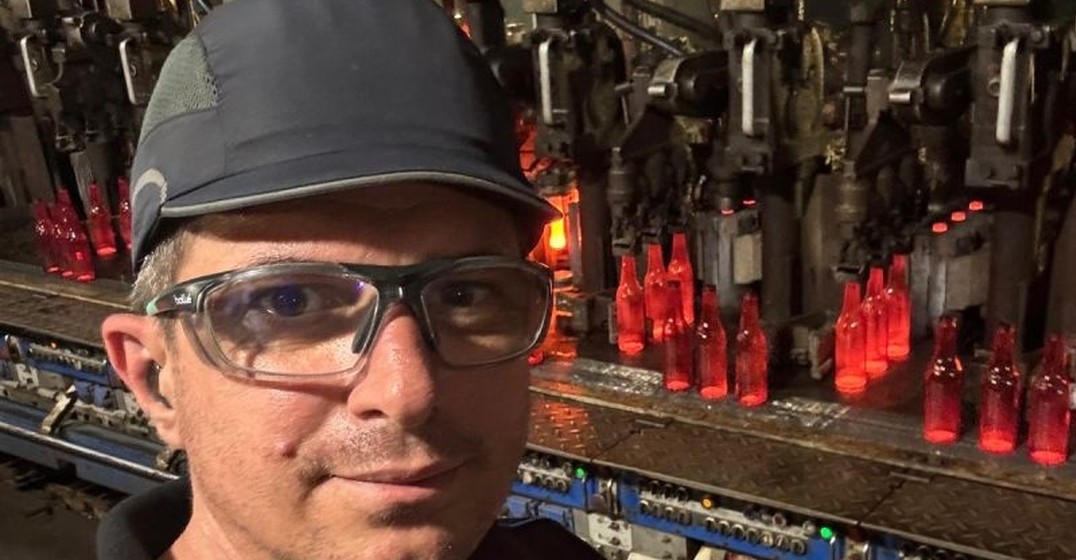
05IS production and maintenance, on the plant floor.
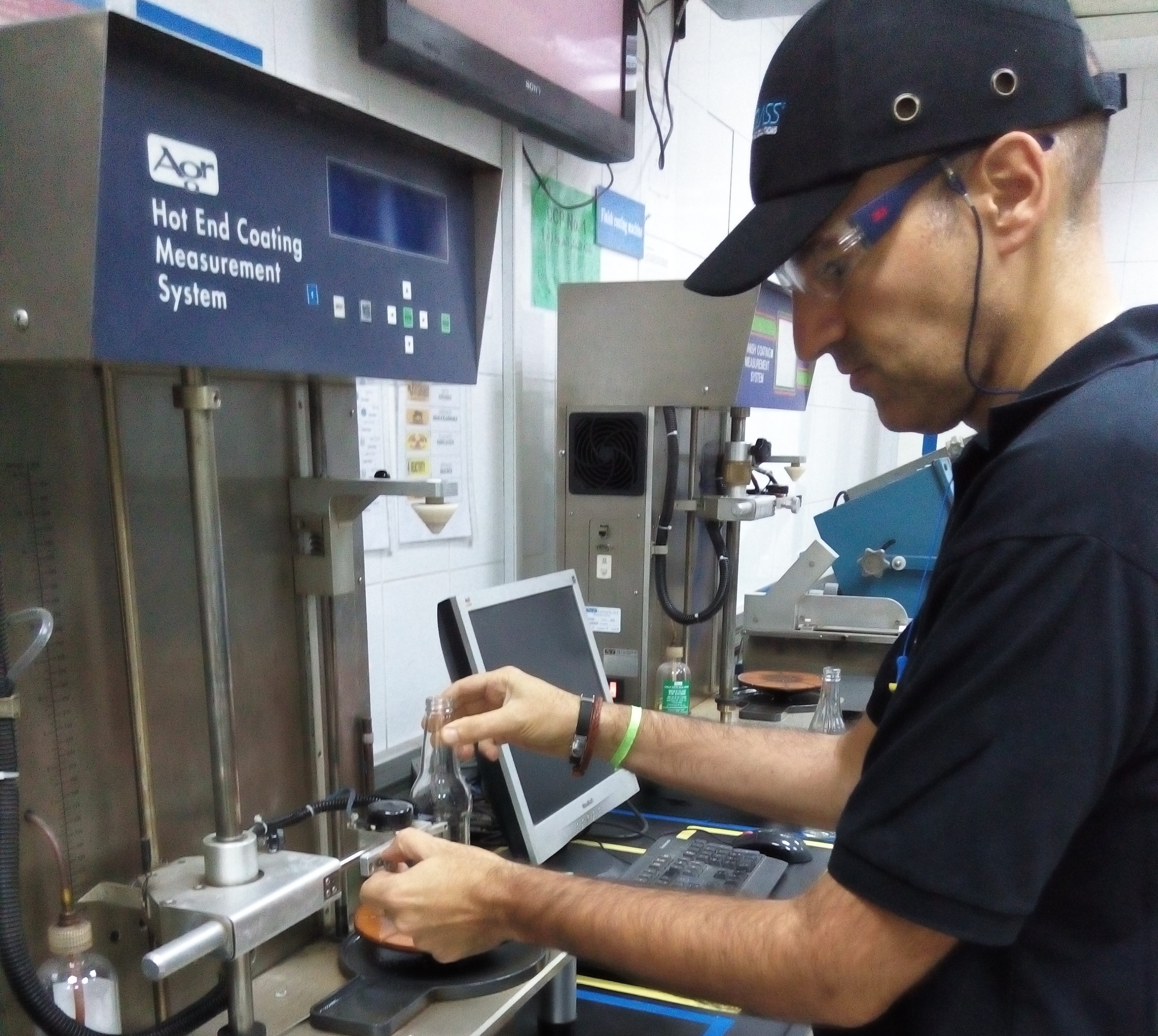
06Cold end and quality control, measured not guessed.
07Know-how that stays with your team.
08Glass conditioning, batch and furnace know-how.
09Pakforming®: glass wall thickness predicted before the mould is cut.
FROM CONCEPT TO FIRST PRODUCTION.
Technical support for glass manufacturers, fillers and distributors, from concept and mould design to on-site help and troubleshooting.
A scientific approach backed by our own software tools, moving beyond empirical methods to results closer to real production.
Reduce the time to market, from bottle concept to the first production.
And also: training for professionals across the container glass industry, given by our own field technicians.
PAKFORMING® · SIMULATED
Example: a 330 ml NNPB beer bottle. The gob lands in the blank mould, the plunger rises, and the wall thickness updates live.
PAKFORMING® · 330 ML NNPB BEER BOTTLE
195 g bottle · gob 1175 °C · cavity rate 11.7 · NIS 5″ TG, 12 sections · plunger pressure 0.4 bar · customer glass composition and timings.
MOULD COOLING ANALYSIS
Same parison, same conditions, two blank moulds: VertiFlow (VF) against InvertiFlow (IVF). Air enters at 70 °C and we follow it hole by hole.
0.72
°C per mm of hole
190 − 93 = 97 °C over 134.4 mm
0.98
°C per mm of hole
159 − 70 = 89 °C over 91.2 mm
VF mould ran cooler than IVF, at the cavity and on the outside of the mould. Exhaust air: 188 / 186 °C through straight holes, 203 °C through the VF angled holes, 229 / 271 °C from the neck ring. IVF with neck holes: about 6 °C cooler at the neck, about 8 °C hotter at the heel.
IVF cavity ran cooler all around, and its air picked up more heat per mm of hole. The same cooling concept does not win on every bottle, so we simulate each one.
FIRST TEST · 7 OZ NNPB BOTTLE
The hotter exhaust agrees with the cooler VF cavity. Feedback on this bottle led us to repeat the study on a 330 ml bottle with a longer neck.
VF · VERTIFLOW vs IVF · INVERTIFLOW
The same cooling concept does not win on every bottle. Neck length and bottle size matter, so we simulate each one.
Transient simulation in 0.1 s steps over 2 minutes. Metal starts at 400 °C, air enters at 70 °C, customer timings and glass composition.
FORMING SIMULATION × FEA
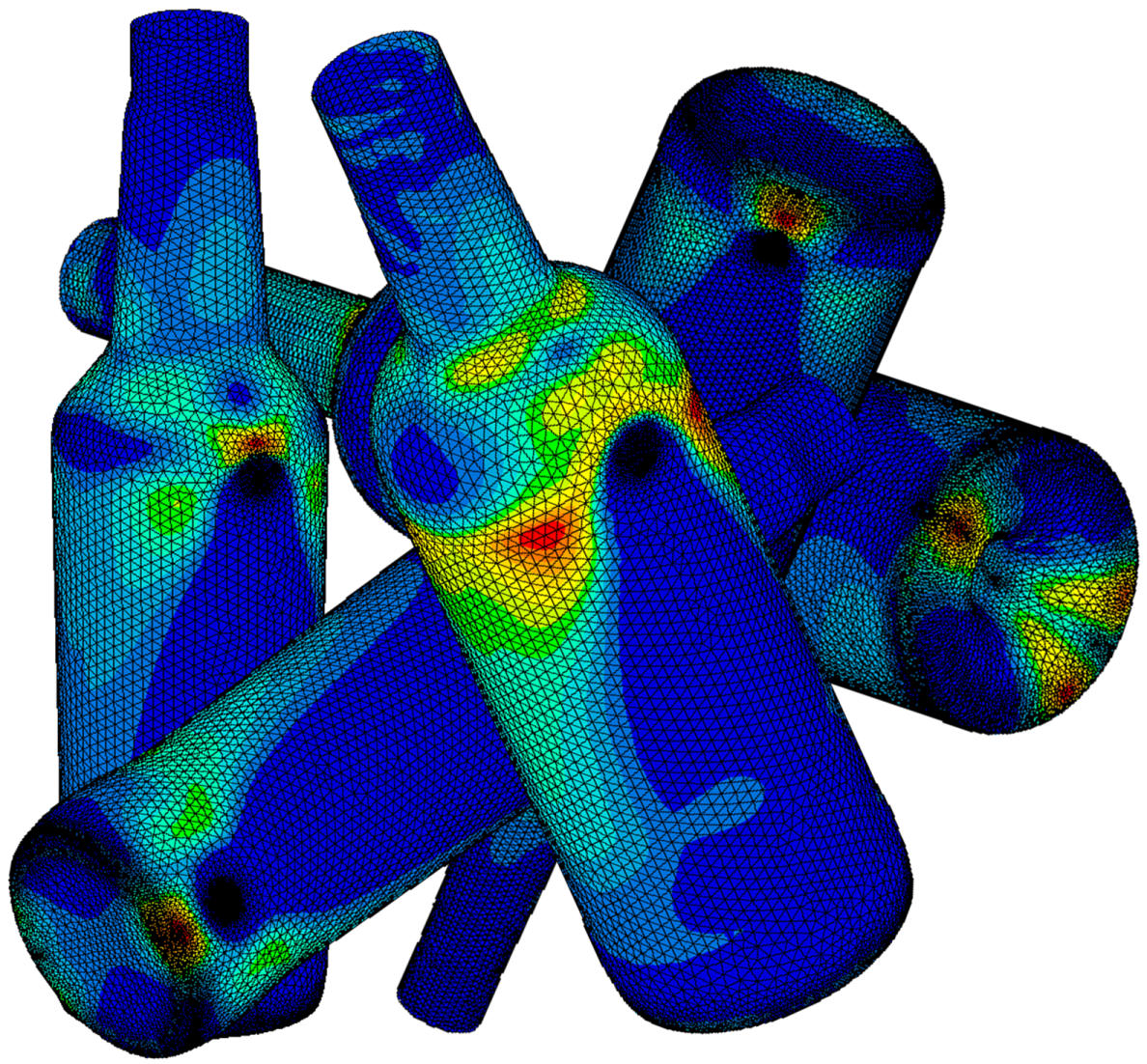
Carry the real glass distribution into the stress model, determine breakage percentages and simulate filling-line and transport handling. Know how it breaks before it reaches the line.
IS DEPARTMENT · SINCE 2014
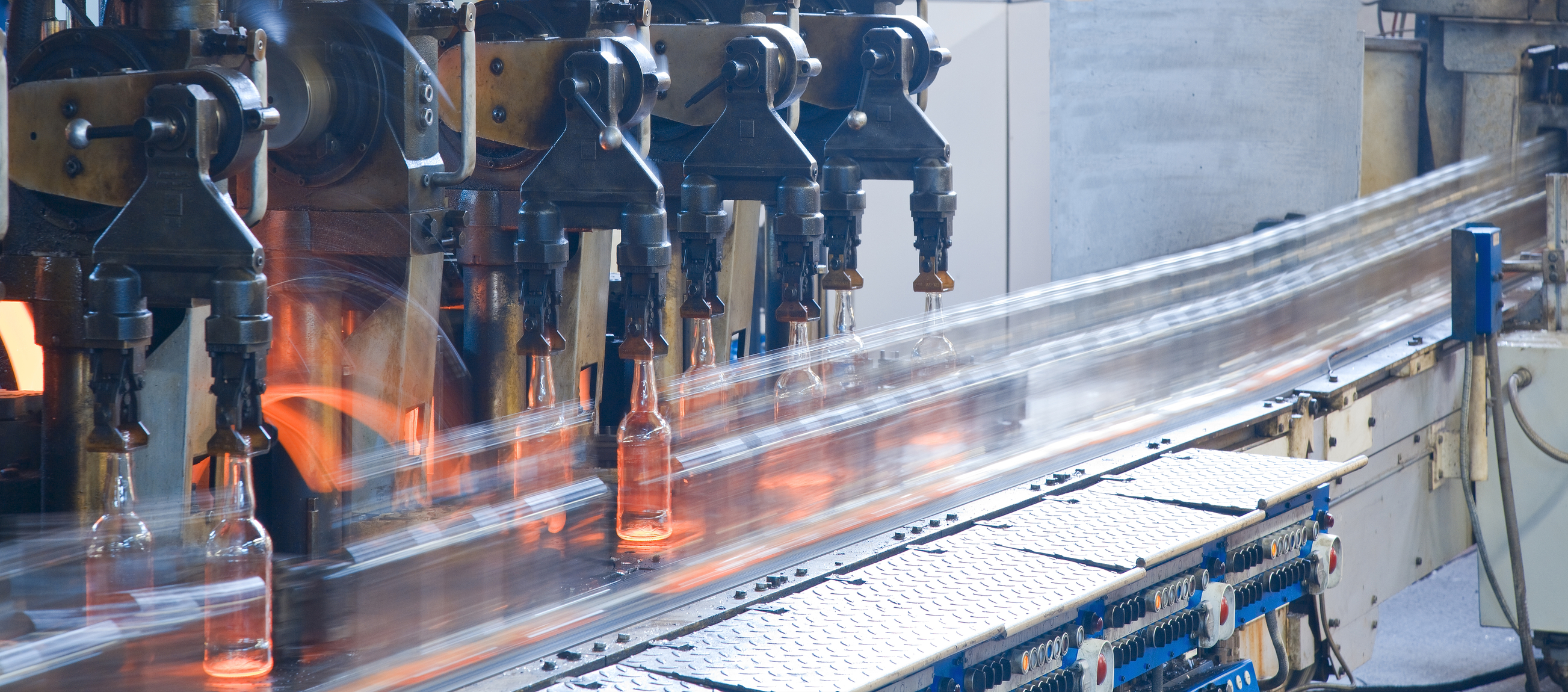
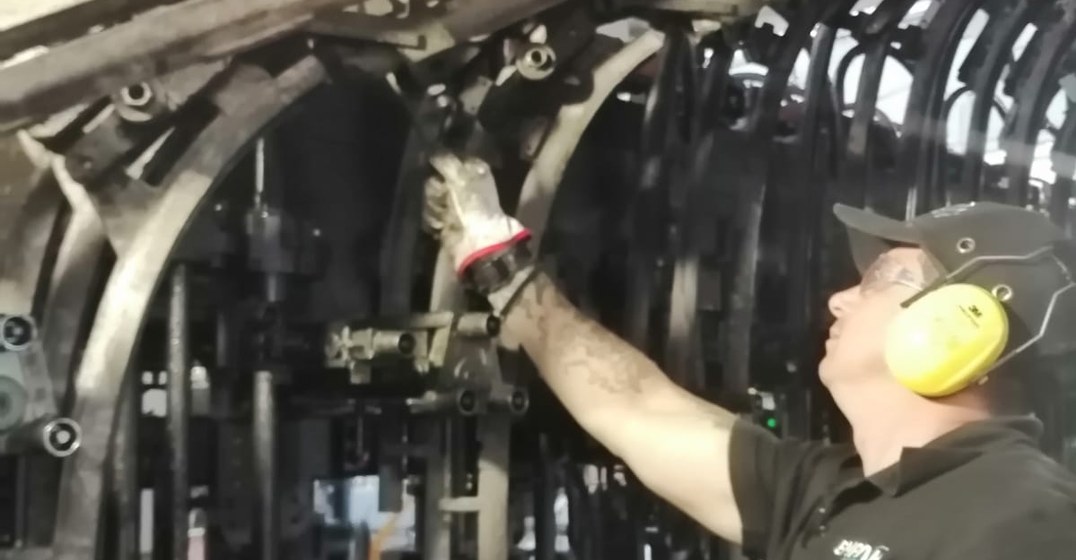
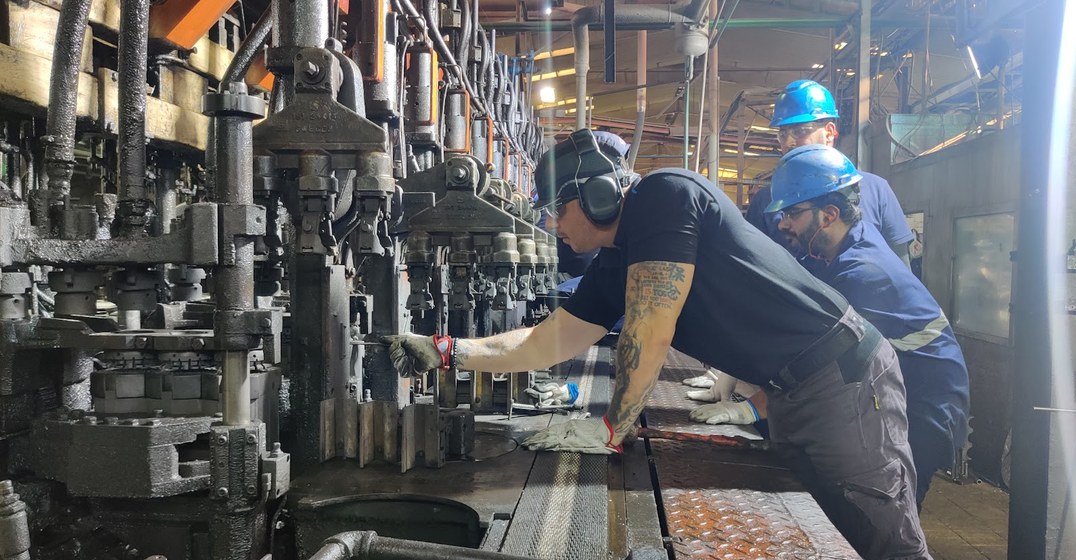
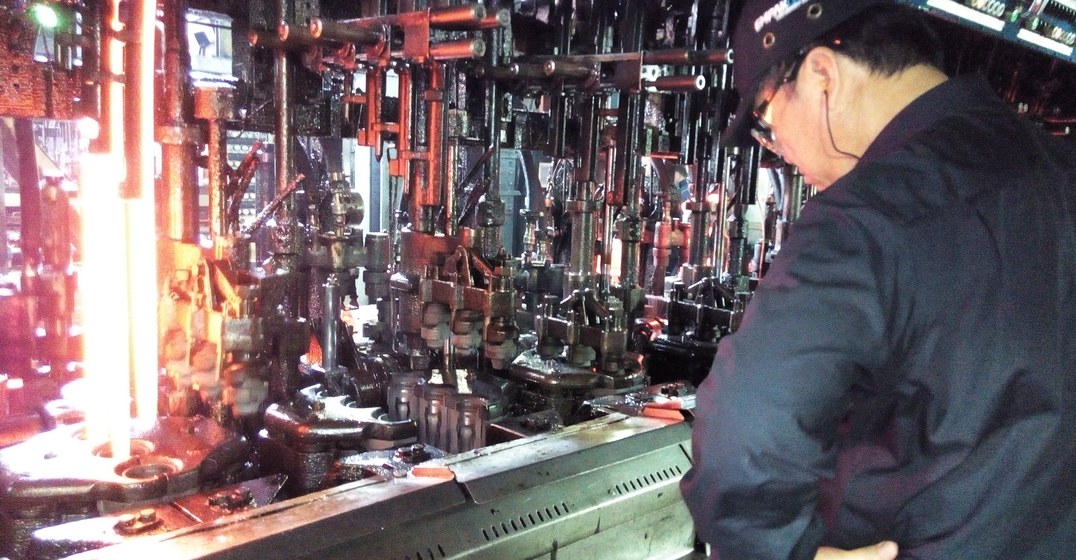
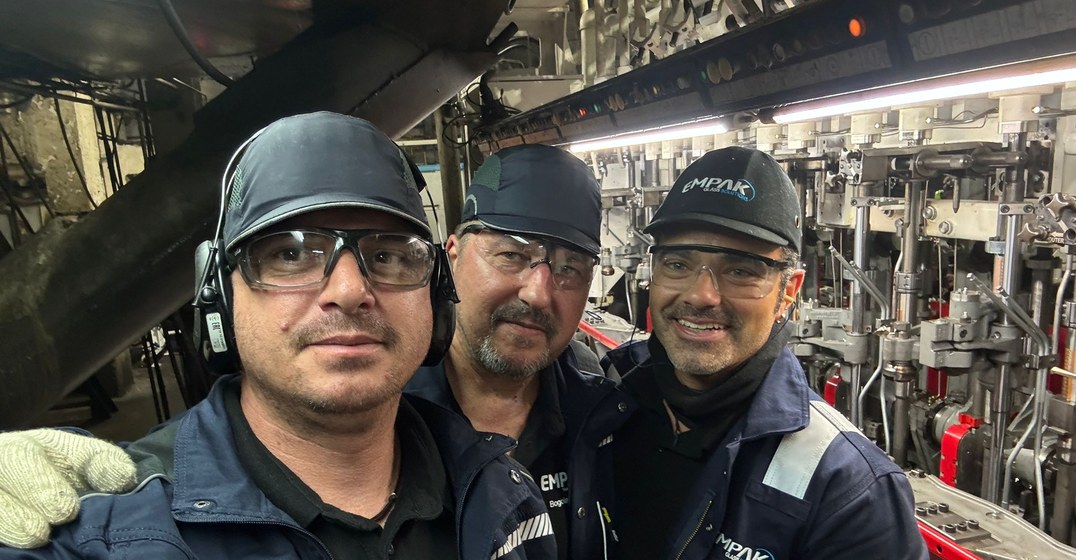
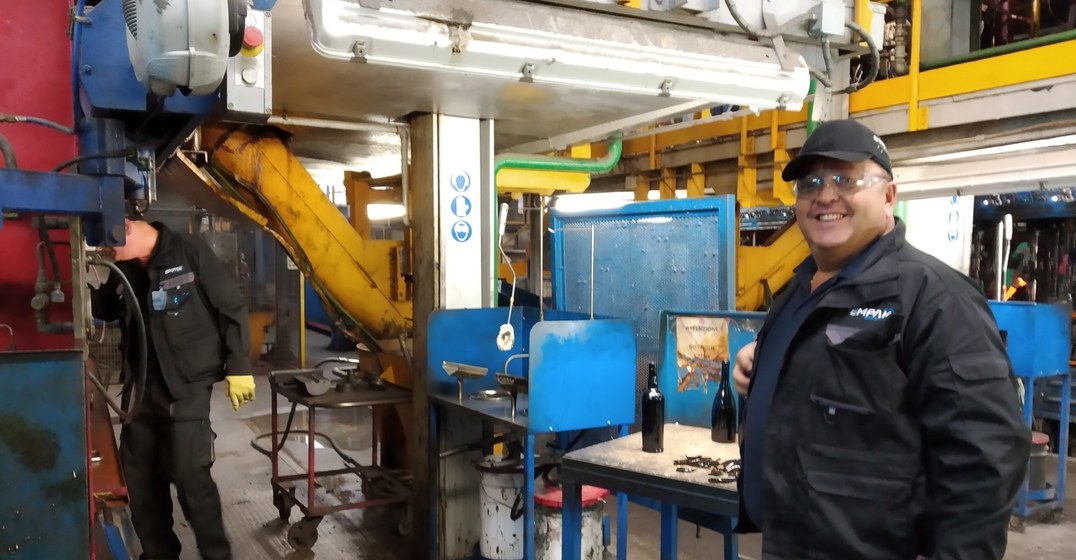
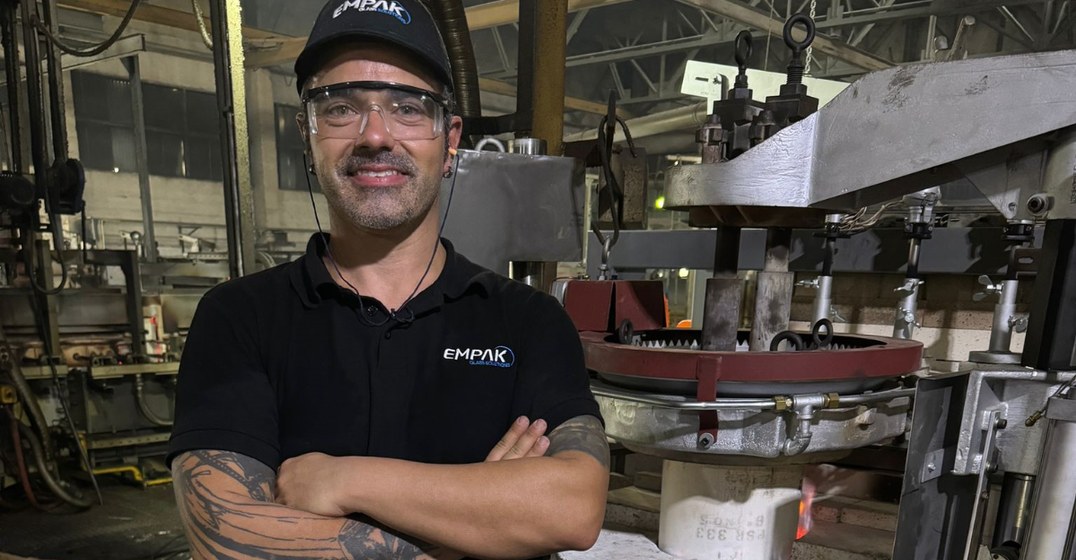
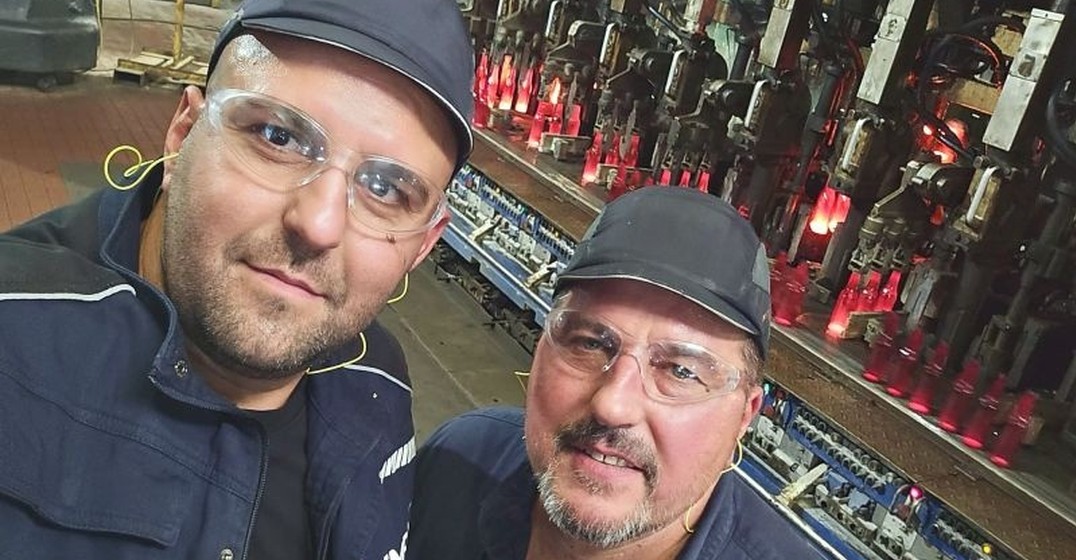
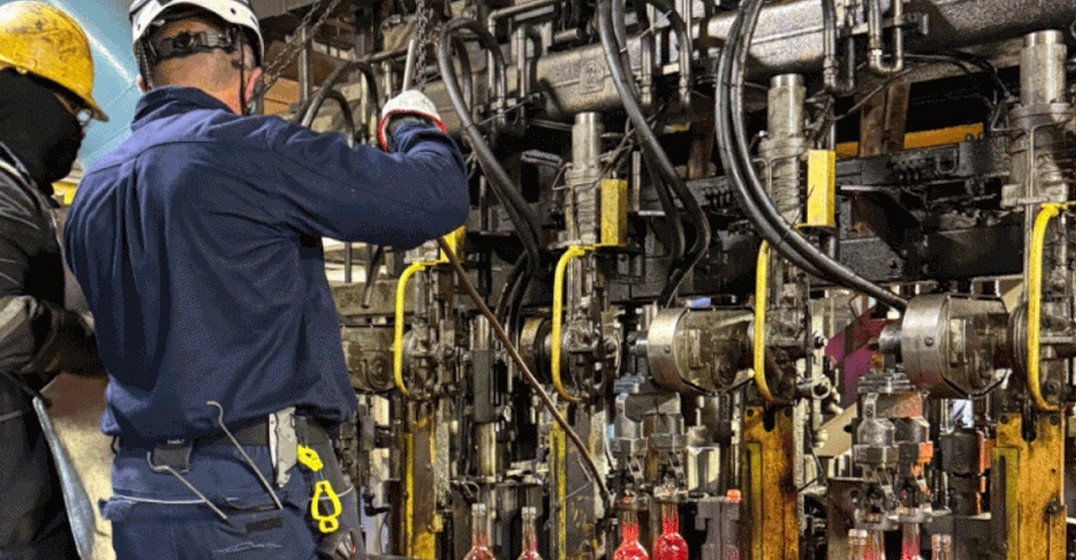
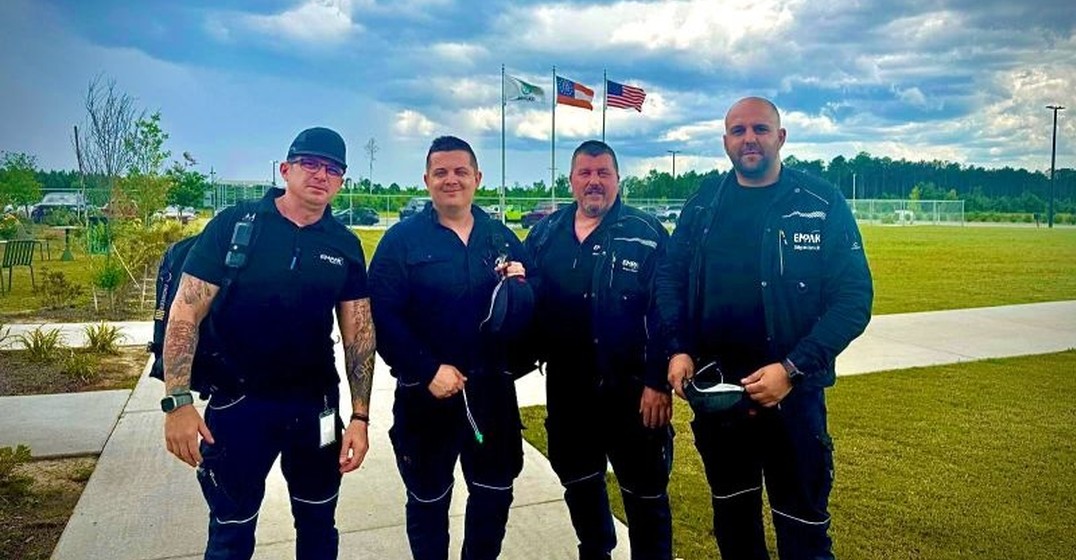
IS production, maintenance and start-ups, with our hands on the machine. Offices in Lisbon (2012), Gabrovo and Plovdiv in Bulgaria (2021) and Hyderabad (2024).
BUILT BY GLASS PEOPLE
Engineering software to analyse the container forming process. Simulate production on a computer, not on the shop floor.
The pocket-knife software for the glass industry: one simple package for all departments, linking glass properties to the IS machine and timing.
Batch and furnaces, IS production, mould shop, product development, cold end and quality, filling lines and audits. Every course given by our field technicians.
TRAINING
Hands-on workshops and classroom training for glass plants.
BROCHURES
OFFICES WORLDWIDE
+91 94403 52525
in.sales@empakglass.com
in.support@empakglass.com
Creative concept design office: ENNIONSTUDIO Lda · www.ennionstudio.com
CREATIVE DESIGN STUDIO PARTNER
Our sister company and creative design studio partner. Ennionstudio designs the next beautiful bottle, and Empakglass makes sure it can be produced: the design stays feasible for glassmakers from the first sketch, which shortens the time to the first trial and to market.
Tell us about the bottle, the line or the problem. We will tell you what the simulation can show.
Send us a message